









































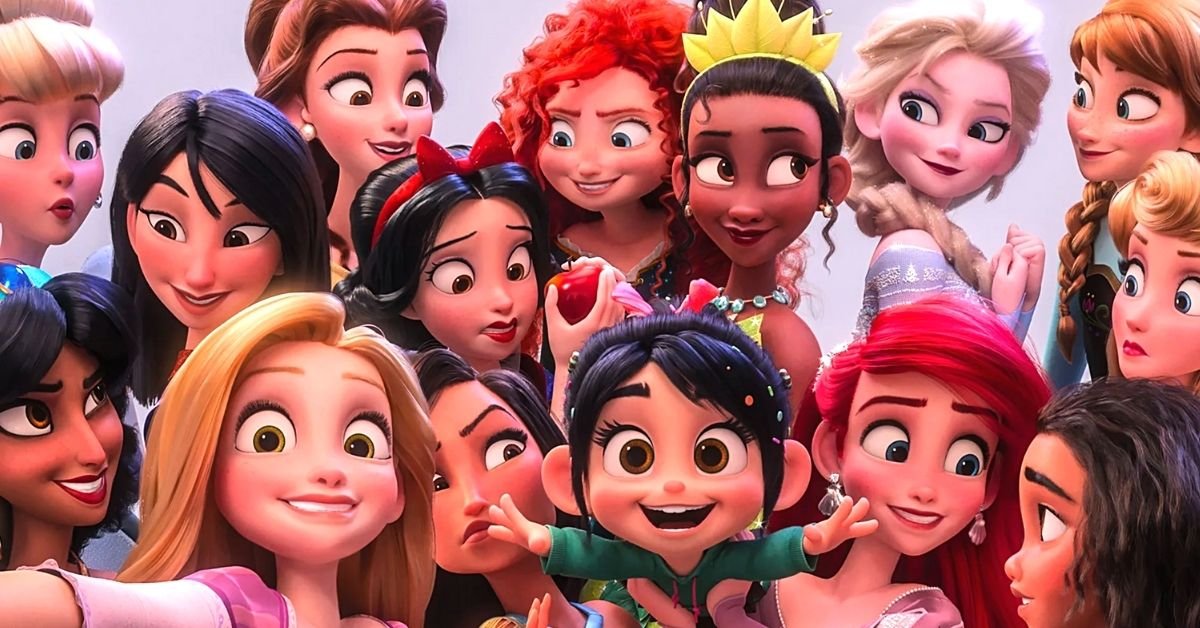
Many young girls grow up infatuated with Disney and princesses . From the classics like Cinderella and Snow White to the new princesses like Elsa and Anna, many young girls are obsessed with them growing up.
So much so, that it’s really a multi-million dollar industry. There are movies, costumes , toys, party decorations, school supplies—literally everything a child uses can be made into a princess theme.
Most of the Disney princess movies have similar themes and motifs.

Many of the movies showcase a female lead, who happens to be a princess or a woman who rises to a higher power, who is struggling in life and needs to find “love” or a man to save her and get her by.
Because of these themes, some parents don’t always love their daughters worshiping the characters.
RELATED STORIES




Some parents don’t love the idea that every princess is looking for a “man” to save her.

Some parents feel as though as a young girl, they shouldn’t be learning that love and “finding a guy” is the ultimate goal in life.
They fear that their daughters will grow up relying on men and fitting into sexist standards.
As it turns out, princess culture and Disney films aren’t as bad for our girls as we think.
Despite the narrative that is revolving around moms and their daughters, it turns out that princess culture doesn’t have as negative of an impact on our girls as we thought it would.
Thanks to a recent study, we can rest easy knowing our daughters are doing okay.
A recent study published in the Child Development journal showcased the findings.

The study, conducted by BYU and led by Professor Sarah Coyne, involved 30 children and their parents, and they were asked questions during their preschool years and then five years later.
The study’s goal was to see the impact of princess media on customers.
Coyne denotes that princess culture is more than just “damsels in destress.”
Coyne notes that the Disney stories have much more depth to them than just a princess waiting for a prince to save her.
And, in the long run, the study showcased that as children age, they become more progressive than not.
While moms fear daughter’s relying on men, it turns out that it’s quite the opposite.

The study’s findings showcased that while the princess culture may have some negative impacts on elementary school girls, as they age, had more progressive attitudes about women overall.
They broke away from the stereotypical thoughts towards women in society, fitting into specific gender roles.
The princess stories are more than just “love.”

Coyne explains that above all, most princess movies show much more than a prince and princess. In fact, she points out that many of the movies show a woman who is going after her dreams and chasing what she wants most in life.
There are also positive lessons in these films.

Not only do the princesses chase their dreams, but many of them are also constantly helping those around them and helping “the little guy.”
Not to mention, the films always show the aging process and how the princesses become independent and stand on their own.
So, parents, rest assured that princess culture is totally okay.
If you have a daughter who loves her some Disney princesses, you can rest easy tonight knowing that in the end, your daughter isn’t going to grow up being so “boy-crazy” chasing her prince charming.
In fact, she may end up saving the world one day!