




































A new law has been implemented across the UK to ban Coca-Cola refills at restaurants. It came into effect on October 1.
This will impact a lot of chains
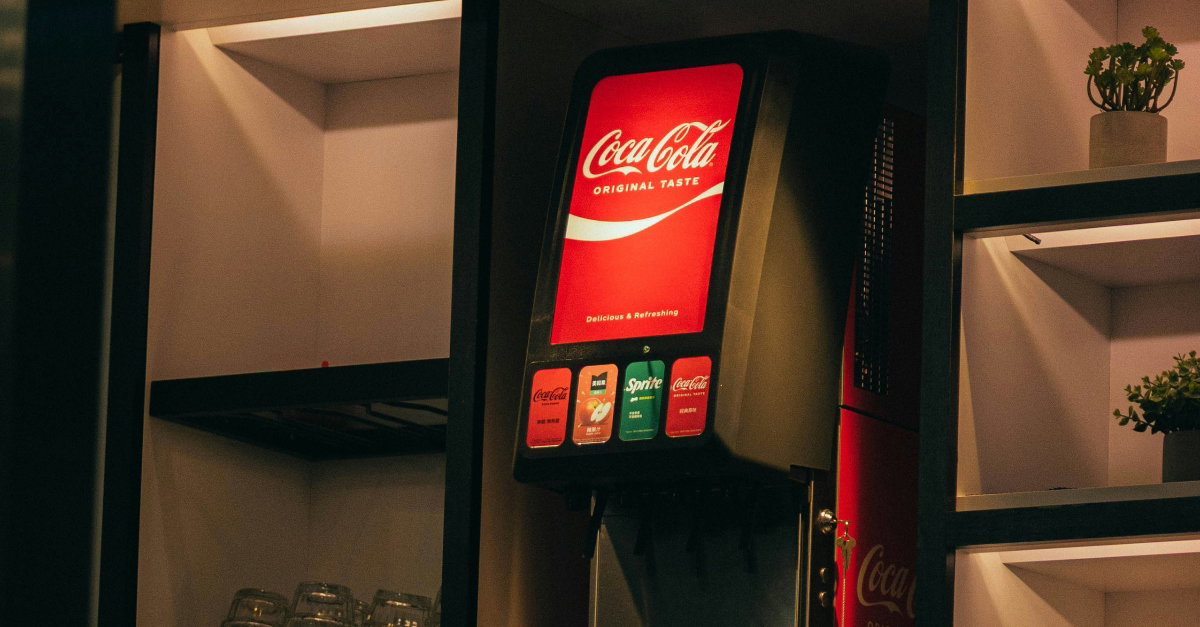
The new law bans full-sugar drinks like classic Coca-Cola and Sprite from being available for free refills at restaurants across the UK.
This change will impact food chains that have long held free refills as part of their service.
People can now only refill sugar-free drinks
In food chains that are known for their bottomless soda drinks like Pizza Hut or Nando’s, customers can now only choose sugar-free options like Coke Zero, Diet Coke, Pepsi Max, Fanta Zero, and Dr Pepper Zero for refills.
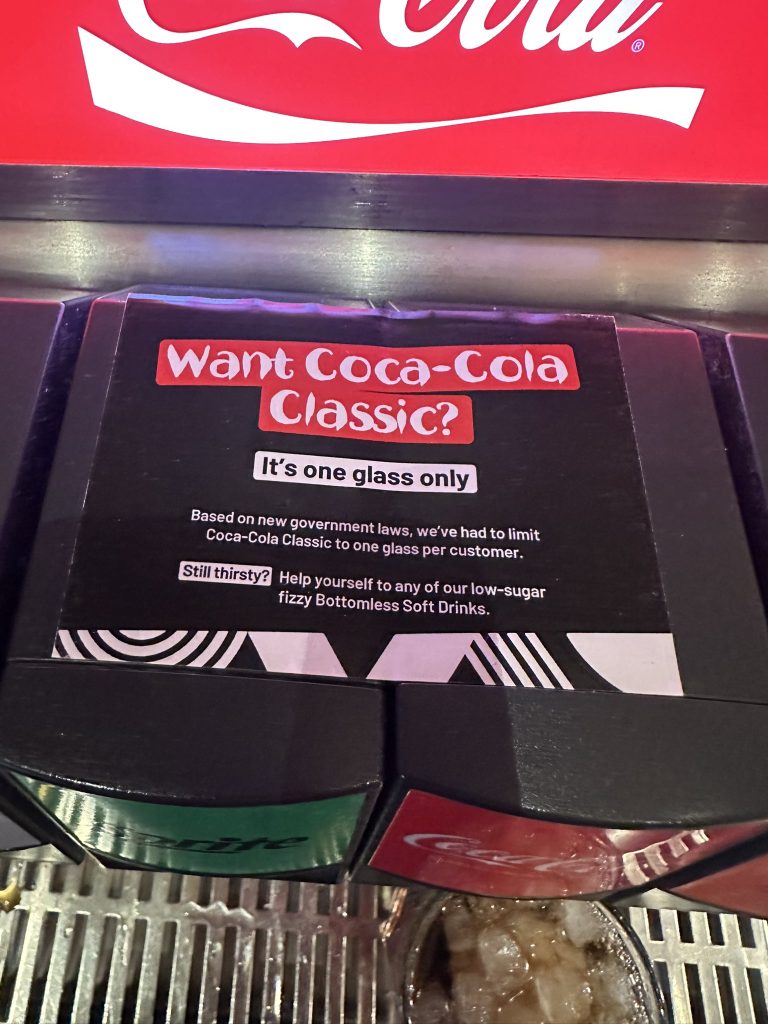
A poster was seen at Nando’s
A poster spotted in a Nando’s this week read: “Want Coca-Cola Classic? It’s one glass only. Based on new Government laws, we’ve had to limit Coca Cola Classic to one glass per customer.”
“Still thirsty? Help yourself to any of our low sugar fizzy Bottomless soft drinks,” it added.
This is part of combating sugar consumption
The new law came into effect on October 1, and it’s part of a series of government changes made to combat the high consumption of junk food and sugar.
This also includes a ban on ‘buy one get one free’ deals on sweets and chocolates.
The law reads the restrictions
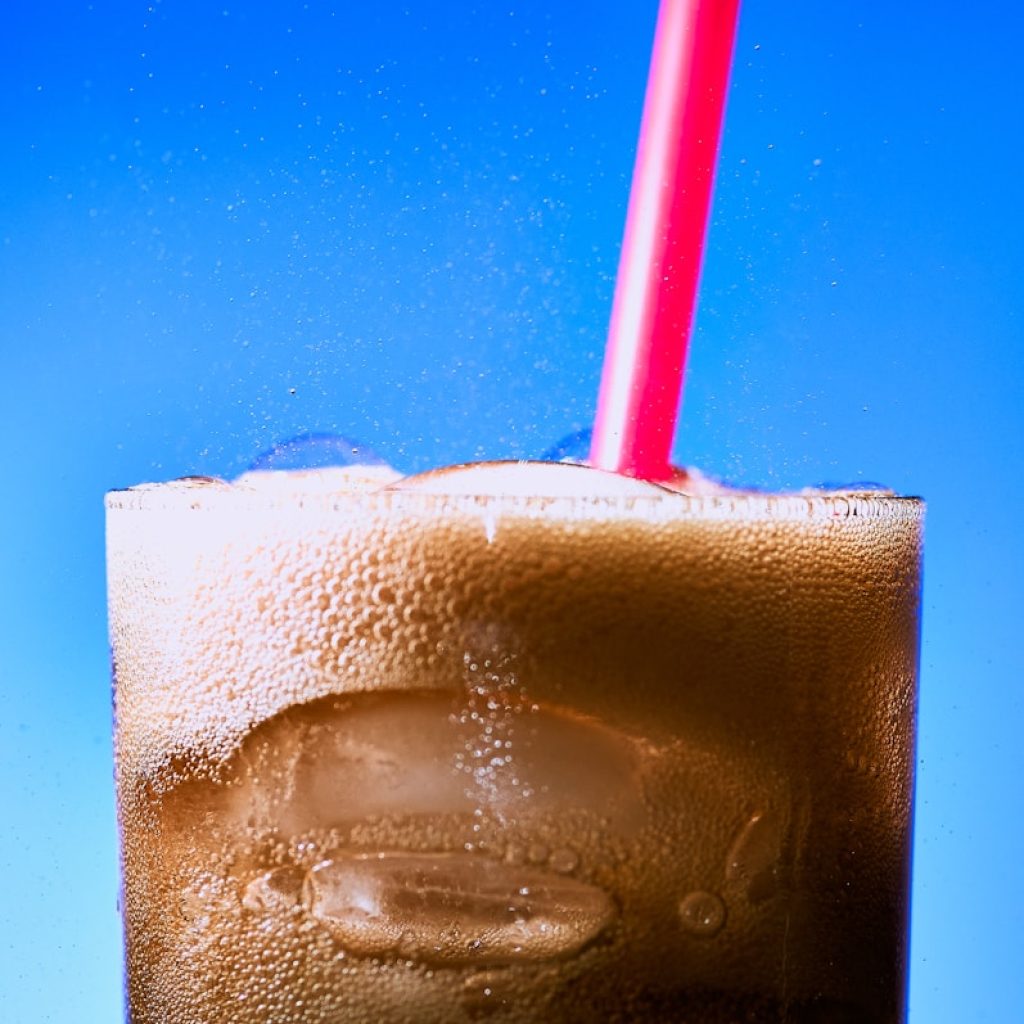
Explaining the new regulations, the UK government website states, “Restrictions apply to free refills of sugar-sweetened beverages, defined as HFSS or ‘less healthy’ by the NPM, in any qualifying business, including the restaurant and out of home sector.”
RELATED STORIES



“Businesses in scope of regulations must not offer a free refill promotion on drinks in scope of regulations.”
It goes on to explain the ban of the free refill
“A ‘free refill promotion’ means a promotion that offers the consumer the same drink or another drink to which this regulation applies (including free top-ups of any part of such a drink) for free after consumption of all or part of a first drink,” the website adds.
Businesses could face legal action if they don’t comply
It is also stated that, “…Businesses in scope of the regulations that promote food in scope in a way that does not meet the requirements of the legislation will be liable to enforcement action, unless an exemption applies.”