







































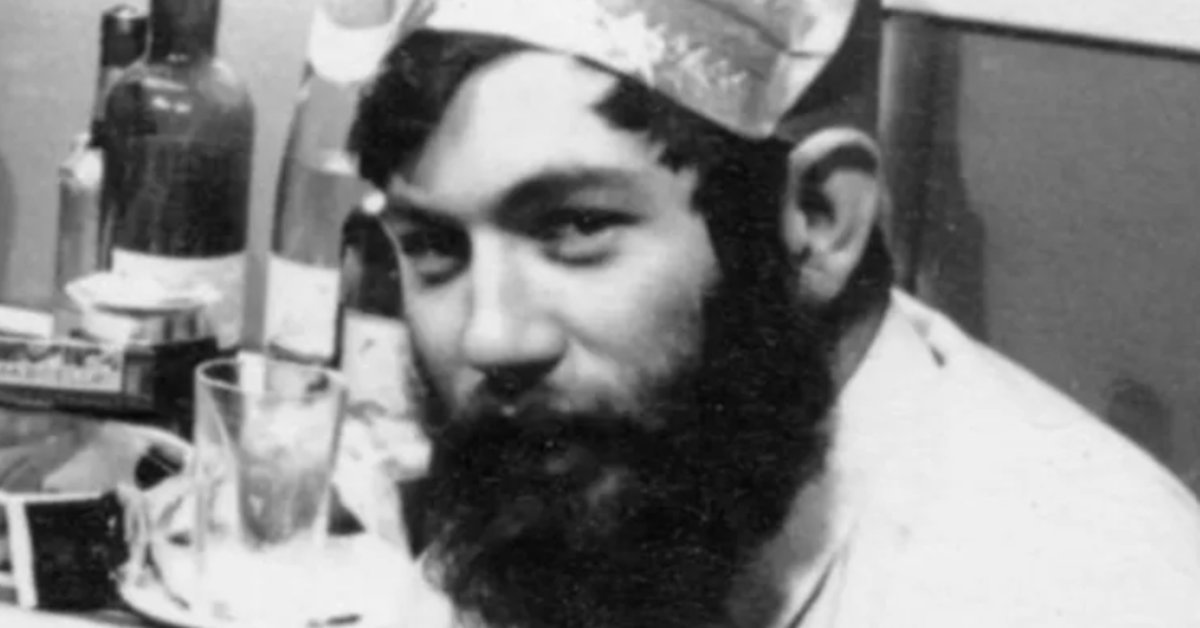
The remains of 25-year-old Dennis ‘Tink’ Bell, a researcher who died on a glacier near the Antarctic Peninsula in 1959, have finally been recovered.
The man died over six decades ago
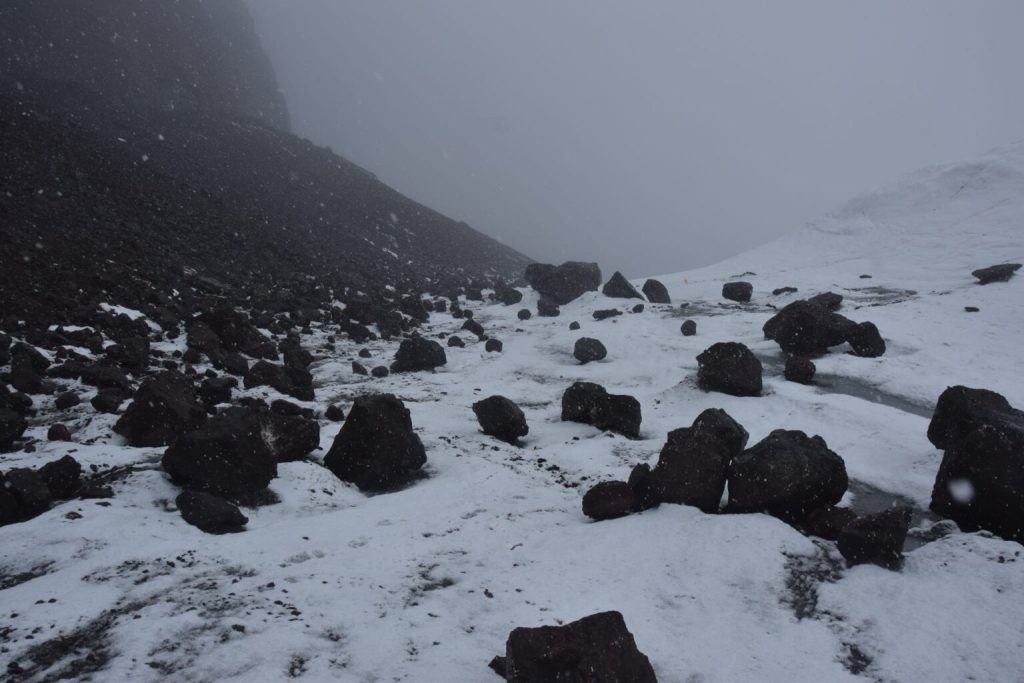
Dennis ‘Tink’ Bell, a meteorologist who had been working for a professor of the British Antarctic Survey, fell into a crack on a King George Island glacier in July 1959 where he died.
His remains have now been located and identified more than six decades later.
RELATED STORIES




The discovery was made by workers there

Bell’s bones were identified after they were discovered on the Ecology Glacier by workers from the Henryk Arctowski Polish Antarctic Station on King George Island on Sunday, January 19.
This was announced in an August 11 statement from the British Antarctic Survey.
The bones were DNA tested
The remains were confirmed to be Bell’s after they were DNA tested against samples from his surviving siblings David Bell and Valerie Kelly.
Speaking to BBC News, David Bell, 86, said, “I had long given up on finding my brother. It is just remarkable, astonishing. I can’t get over it.”
More than 200 other items were found
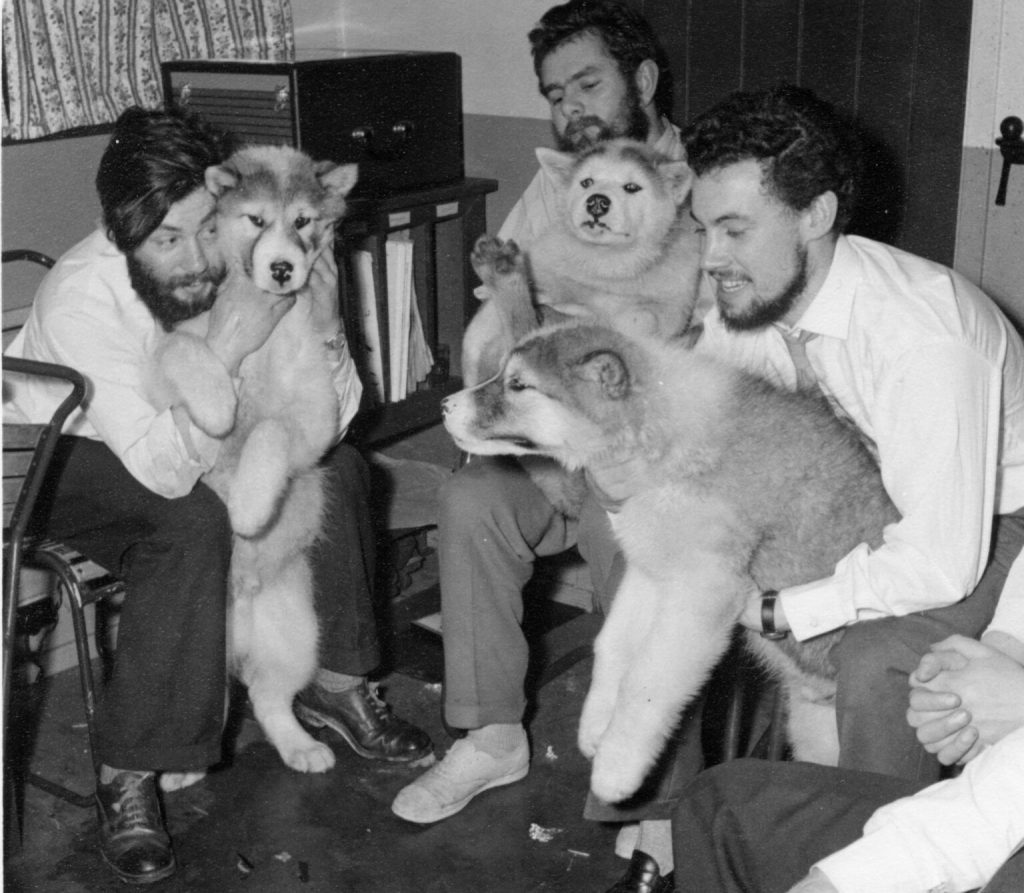
The British Antarctic Survey said that in addition to Bell’s remains, more than 200 other items have been found, including parts of radio equipment, a flashlight, ski poles, a wristwatch, a knife and a pipe.
David Bell spoke in the BAS statement
“When my sister Valerie and I were notified that our brother Dennis had been found after 66 years, we were shocked and amazed,” David Bell said.
“The British Antarctic Survey and British Antarctic Monument Trust have been a tremendous support and together, with the sensitivity of the Polish team in bringing him home, have helped us come to terms with the tragic loss of our brilliant brother.”
Finding Bell’s remains was a ‘profound’ discovery
Professor Dame Jane Francis, BAS Director, said, “The confirmation of the remains found on Ecology Glacier as those of Dennis ‘Tink’ Bell is both a poignant and profound moment for all of us at British Antarctic Survey.”
They’re proud of Bell’s accomplishments
“Dennis was one of the many brave FIDS personnel who contributed to the early science and exploration of Antarctica under extraordinarily harsh conditions,” Francis added.
“Even though he was lost in 1959, his memory lived on among colleagues and in the legacy of polar research,” he said.
Closure is finally received
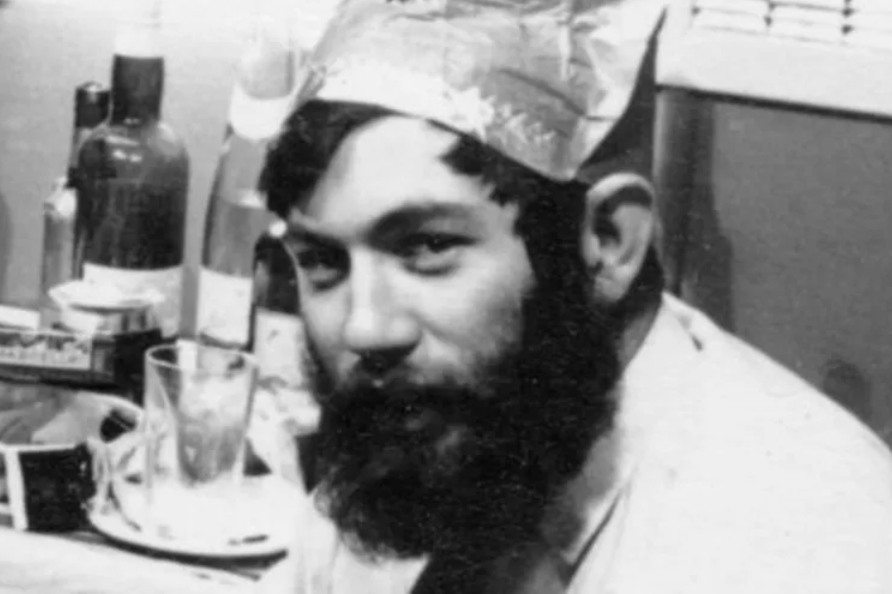
“This discovery brings closure to a decades-long mystery and reminds us of the human stories embedded in the history of Antarctic science,” Francis said.
Dennis Bell was there to conduct a survey and geological work with surveyor Jeff Stokes.
Stokes had tried to save him
When the experts ascended the glacier, Bell got stuck in a crevasse where Stokes and their team of dogs attempted to pull him out with ropes.
But then the belt broke and Bell plummeted again and did not answer when Stokes called on him.