











































A woman in France says she got paid for years without having anything to do at work.
On paper, that might sound like the dream job. But for Laurence Van Wassenhove, it was the exact opposite. She called it a ‘nightmare’.
Last year, the 59-year-old took her employer, the telecom company Orange, to court. She accused them of “forced inactivity” and making her feel invisible for more than two decades.
She began working there in 1993
When she started at Orange in 1993, it was still called France Télécom. Not long after, she developed epilepsy and hemiplegia, which left one side of her body paralyzed. That meant she couldn’t keep doing her original job.
The company gave her a different role
The company reassigned her to a secretarial role, since she also had HR training.
RELATED STORIES




It seemed like a reasonable solution at first, but she says it quickly turned into a long period where nothing much happened for her career.
One request changed her career path
In 2002, she asked to be moved to another part of France. But an occupational health review later said she wasn’t fit for the role.
Instead of finding something else for her, she was put on standby.
Feeling invisible at work took a toll

She says the years that followed made her feel like “an outcast secretary,” which took a toll on her mental health.
“I was paid, yes, but I was treated like I didn’t exist,” she told Mediapart.
Complaints failed to fix the situation

In 2015, she filed a complaint with the government and the High Authority for the Fight against Discrimination. But she says nothing really changed.
“Being paid, at home, not working is not a privilege. It’s very hard to bear,” she said.
Years of isolation affected her mental health
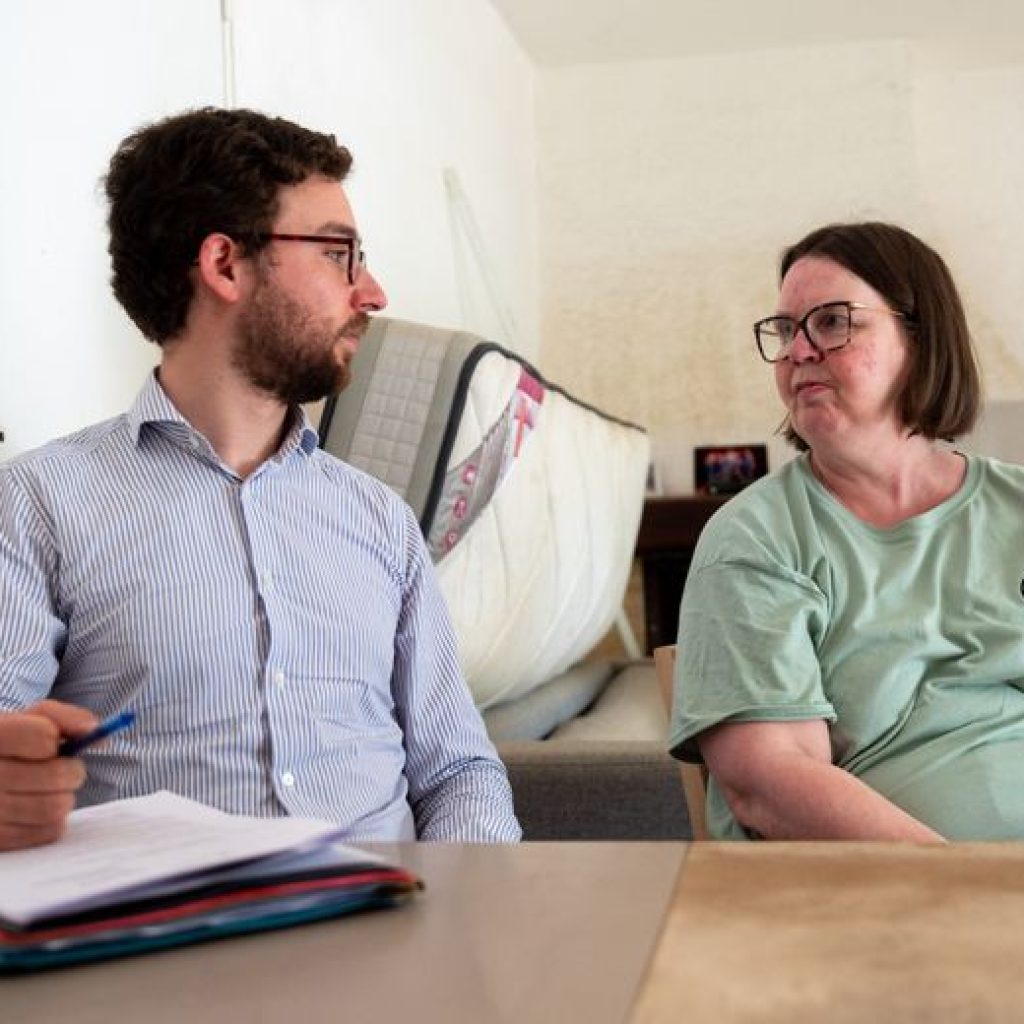
Her lawyer, David Nabet-Martin, says years of isolation left her dealing with depression. He argued she was denied “a place in society” as a disabled person.
The company insists it acted fairly
In a statement about the case, Orange told outlet La Dépêche that they took her “personal social situation” into account. They said they made sure she was kept in the best possible conditions for her health.
The company also said they had arranged for her to return to work in a new role, but it never happened because she was often on sick leave.