









































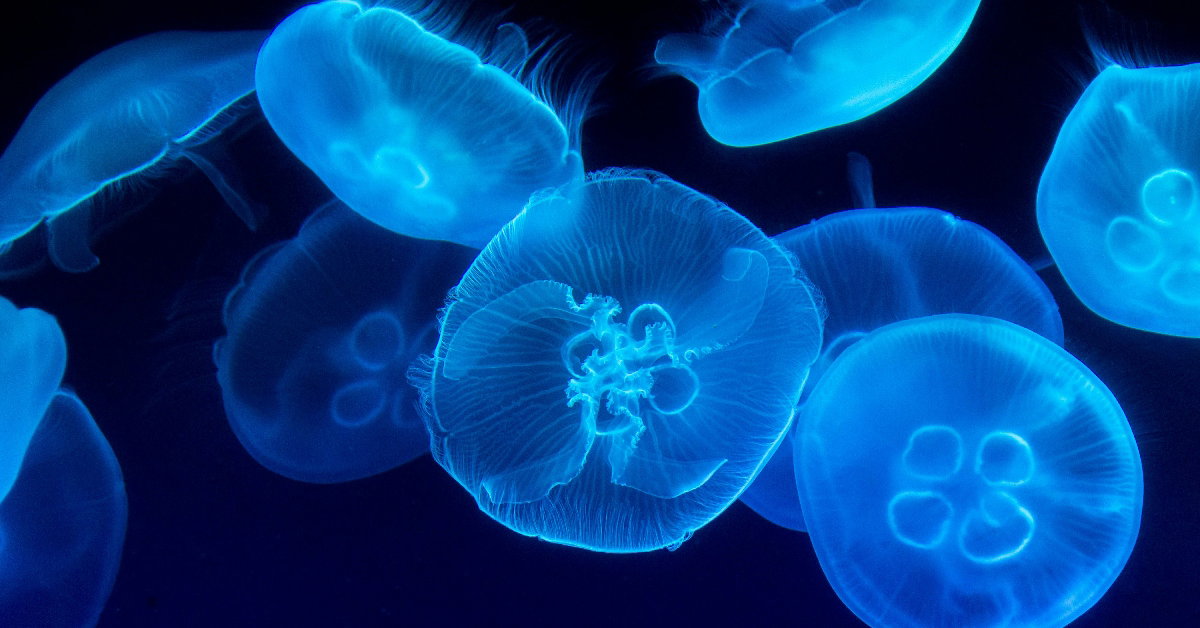
A swarm of jellyfish caused four reactors at the Gravelines nuclear power plant in Ford, France to shut down on Sunday, August 10.
An electrical operator made the announcement
French operator Électricité de France (EDF) said that a “massive and unpredictable” swarm of jellyfish were found in the nuclear power plant cooling systems, causing four reactors to lose power, per Reuters.
They stopped automatically
The reactors stopped automatically when the filter drums of the pumping stations got packed with the jellyfish.
Three of the reactors shut down on Sunday, with the fourth stopping early Monday, August 11, per The New York Times.
The plant halted production
The incident caused the entire plant to temporarily halt production, with the remaining two units going offline for planned maintenance.
Reuters reports that the jellyfish didn’t cause damage to the facilities, but the filter pumps where they got stuck are scheduled for a cleaning.
The power plant is connected to the North Sea
The affected nuclear power plant is one the largest in France and is cooled from a canal connected to the North Sea.
It holds six units – four of which were shut down by the jellyfish – producing 900 megawatts of power each, amounting to a total of 5.4 gigawatts.
RELATED STORIES




Jellyfish were driven there due to change in temperatures
David Wright, marine biology consultant at the National Oceanic and Atmospheric Administration Fisheries, explained why the jellyfish might have found their way into the cooling system of the power plant.
He said that the jellyfish population around Gravelines has increased in recent years because of the rising temperatures of the water.
Wright broke down the reasons
“Jellyfish breed faster when water is warmer, and because areas like the North Sea are becoming warmer, the reproductive window is getting wider and wider,” Wright said.
“Everyone talks about nuclear being clean but we don’t think about the unintended consequences of heat pollution,” he added.
Jellyfish have been interfering for a while
Wright added, “Jellyfish can also hitch rides on tanker ships, entering the ships’ ballast tank in one port and often getting pumped out into waters halfway across the globe.”
Jellyfish have actually been interfering with power plants across the globe for over a decade. They caused shut downs in Japan and Scotland in 2011 as well as in Sweden two years later.
These incidents are becoming serious
These incidents of jellyfish getting in power plants are becoming increasingly serious.
The Oceanic Invertebrate Research Institute says, “Jellyfish are becoming more frequent and widespread due to factors such as overfishing, climate change and increased coastal development.”