










































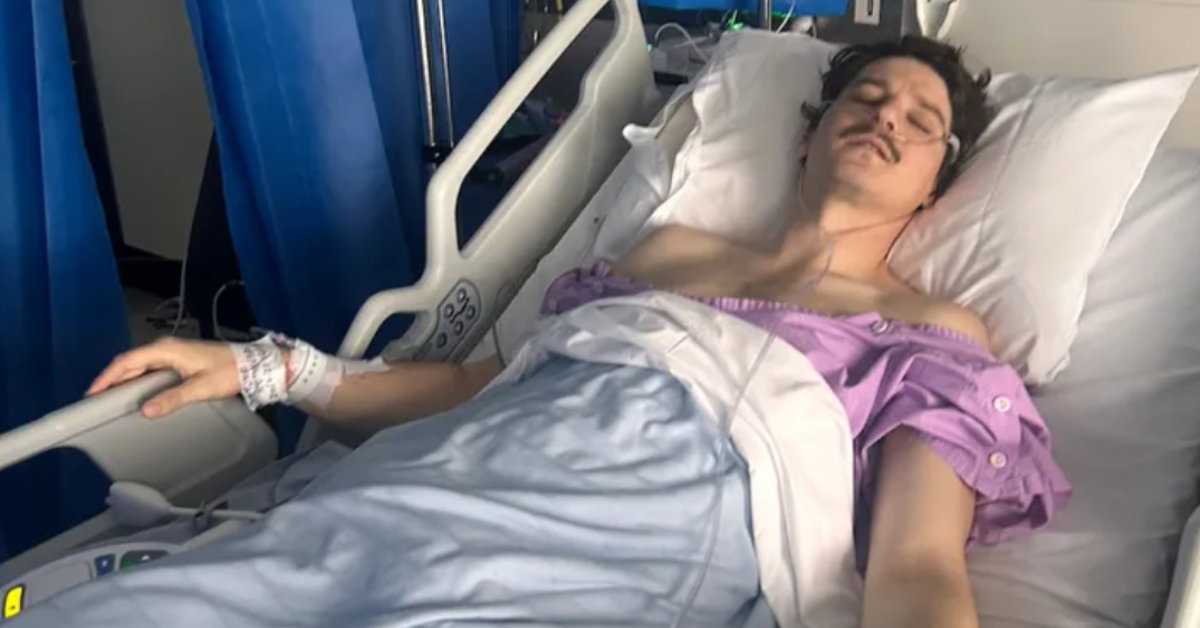
A 29-year-old musician has been diagnosed with colorectal cancer, also known as colon cancer, and is now encouraging other young people to learn the warning signs and monitor their health.
He’s a bassist
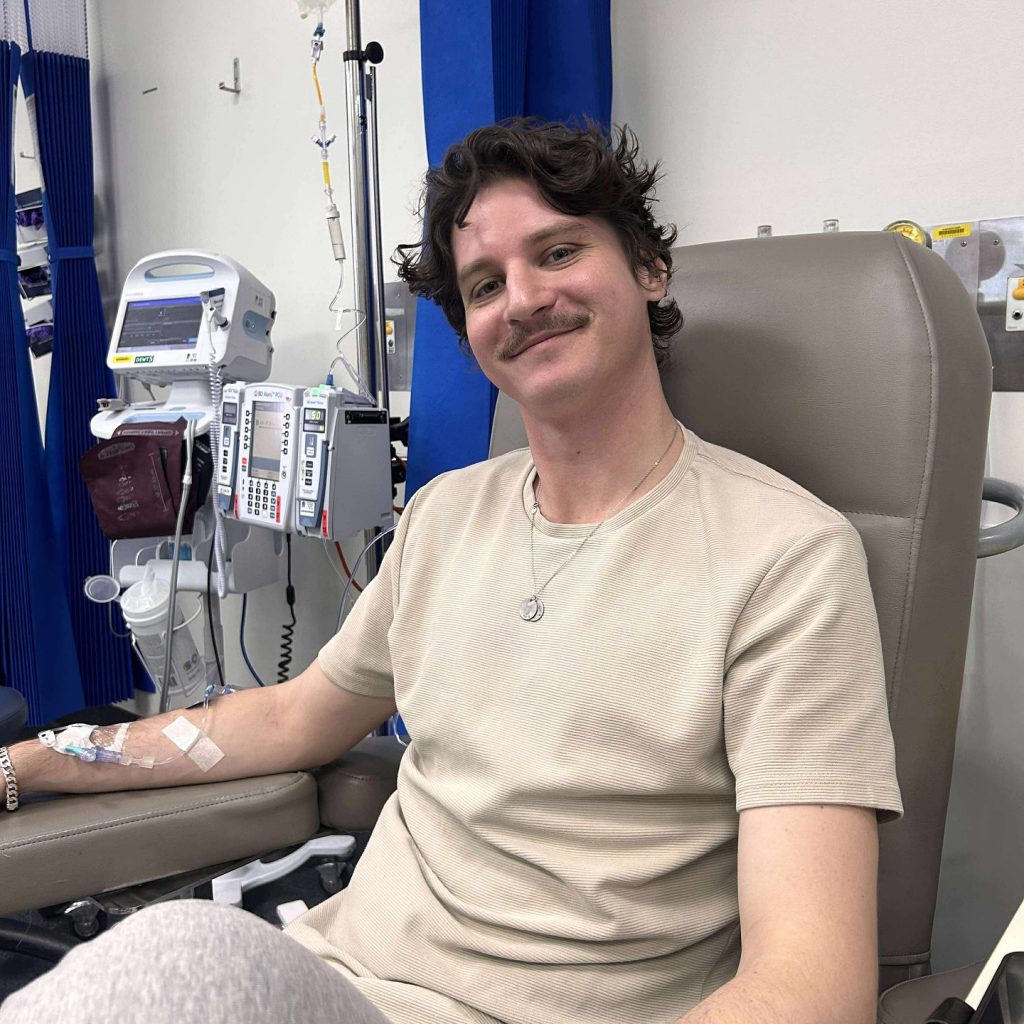
Jordan Brunoli, a bassist for the Brisbane-based band Bugs, shared he was diagnosed with ‘incurable’ stage 4 cancer, a diagnosis that ‘came out of the blue’.
The cancer has since spread to his liver and lymph nodes, and required the installation of a stoma.
A GoFundMe page was set up for him
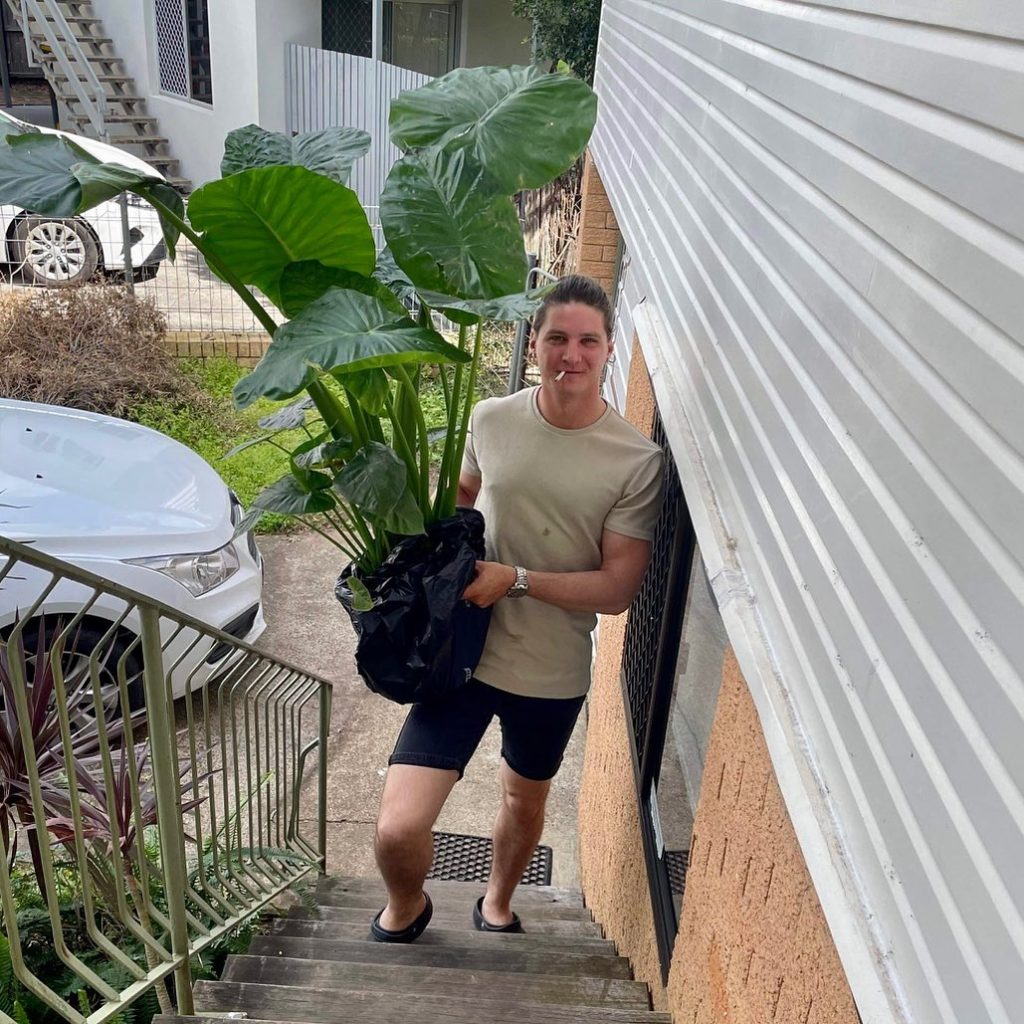
The bassist’s GoFundMe page said that despite the illness, he’s slowly returning to some normal activities.
RELATED STORIES



But he’s now urging other young people to monitor their health and get checked out if they feel like something is off.
Colorectal cancer can develop at any age

According to the Mayo Clinic, colorectal cancer, or colon cancer, is generally seen in patients older than 50 but can develop at any age.
It affects the large intestines and common symptoms of it include a shift in bowel habits, bloody stool, persistent abdominal pain, fatigue, and/or weight loss.
The diagnosis was unexpected

Brunoli’s bandmates said on his fundraiser page that the diagnosis was ‘completely out of the blue’.
They wrote, “He has been incredibly strong through this process and is determined to fight,” adding, “He is an incredible son, loving partner and lifelong friend to many.”
Brunoli shared an update a month later
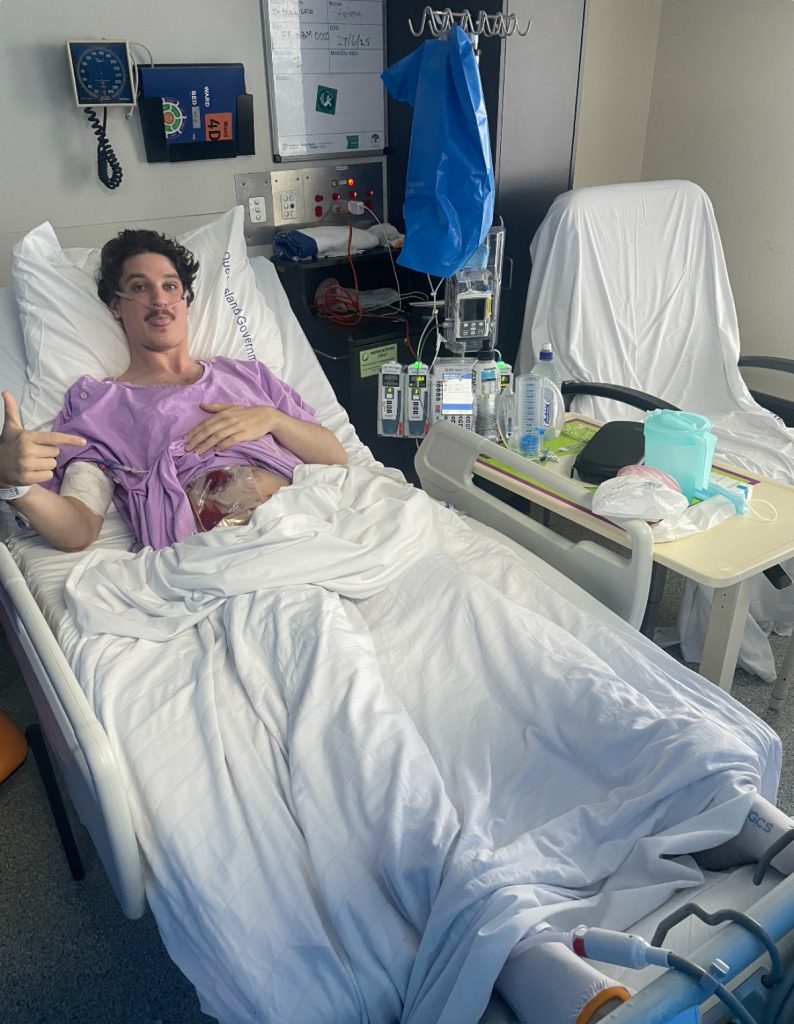
Around one month after the fundraiser began, on July 31, Brunoli shared an update about his health, informing people that their donations greatly helped him pay for medications, supplies, and treatments.
He was able to finally find some normalcy

The Bugs bassist said he has finally been able to find some normalcy amid the cancer treatments. He has begun to drive again, visit friends, and eat when he’s feeling well enough.
He’s also been able to return to music, which he called his ‘therapeutic happy place.’
Brunoli urged people to learn the symptoms

The bassist went on to advocate for monitoring one’s health, telling young people to speak up in medical settings.
“I thought I was too young, but there has been a recent increase in instances of colorectal cancer in people under 30’s,” he wrote. “Getting a diagnosis now could be the difference in a stage 1 tumor or stage 4 metastatic.”