









































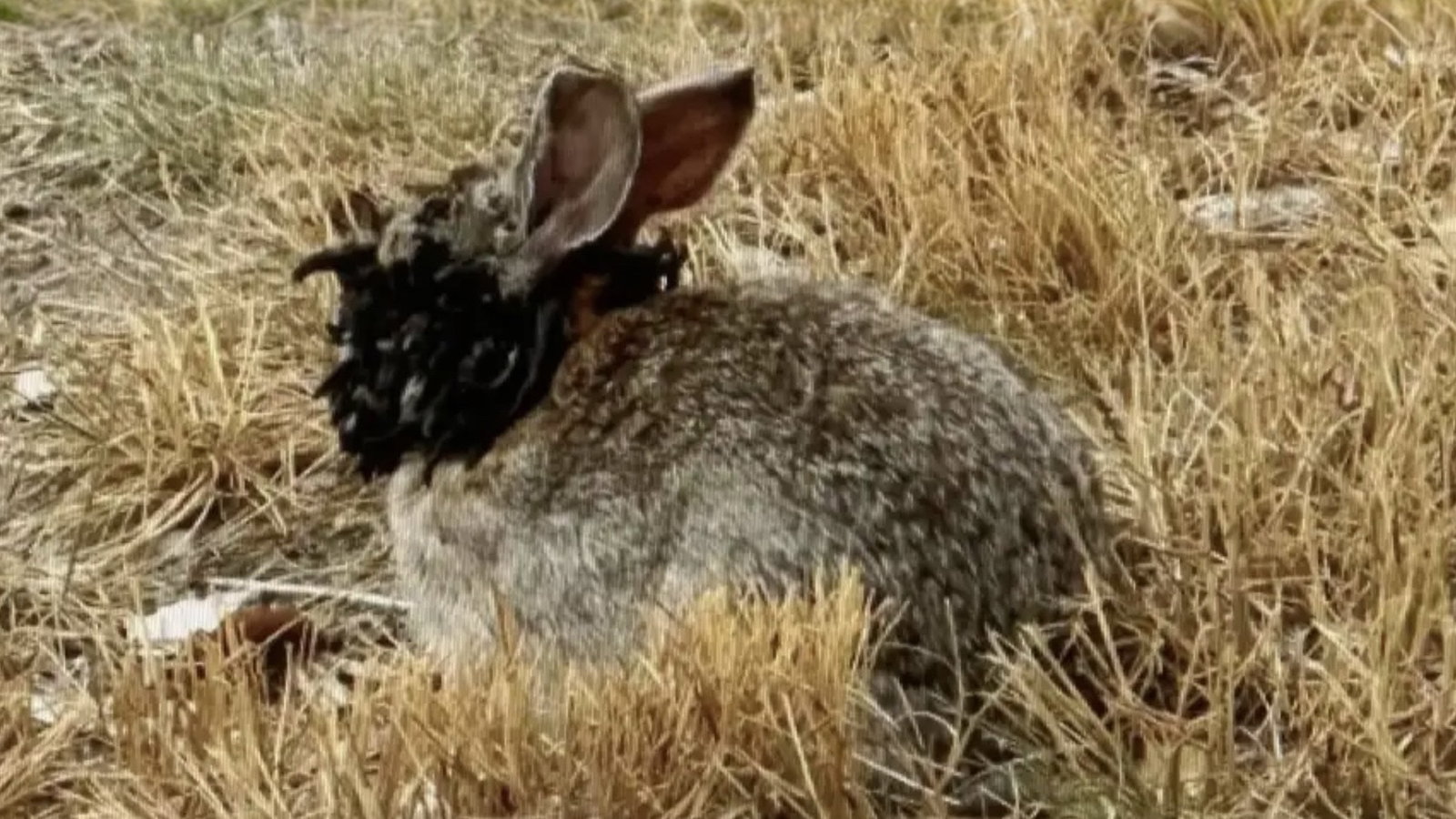
In Fort Collins, Colorado, people have been seeing wild rabbits with strange growths on their faces.
The photos are hard to look at. The animals have short, dark, tentacle-like lumps sticking out of their skin.
RELATED STORIES




This is not a sci-fi creature. It’s a virus called cottontail papilloma virus, or CRPV. It’s the same illness that inspired the “jackalope” myth because it makes horn-like tumors on rabbits’ heads.
Experts explain what CRPV is
CRPV is a virus that causes skin growths in rabbits. Scientists have studied it to understand how some viruses can lead to cancer.
It can cause rough, red, wart-like spots that are hard and sometimes dark. They can show up on the ears, eyelids, neck, shoulders, belly, and thighs. It cannot spread to humans.
The virus spreads through pests
Researchers believe mosquitoes and ticks carry the virus from one rabbit to another. They do this by biting an infected rabbit and then biting a healthy one.
Symptoms start small
It usually begins with small red bumps on the skin, then these turn into warty lumps.
In severe cases, black tendrils grow around the mouth, cheeks, and eyes. Some early warts can also turn into skin cancer.
Officials tell people to avoid contact
Colorado Parks and Wildlife says people should not touch infected rabbits. The virus does not spread to other species, but it is still unsafe to approach them.
A resident shares what she saw
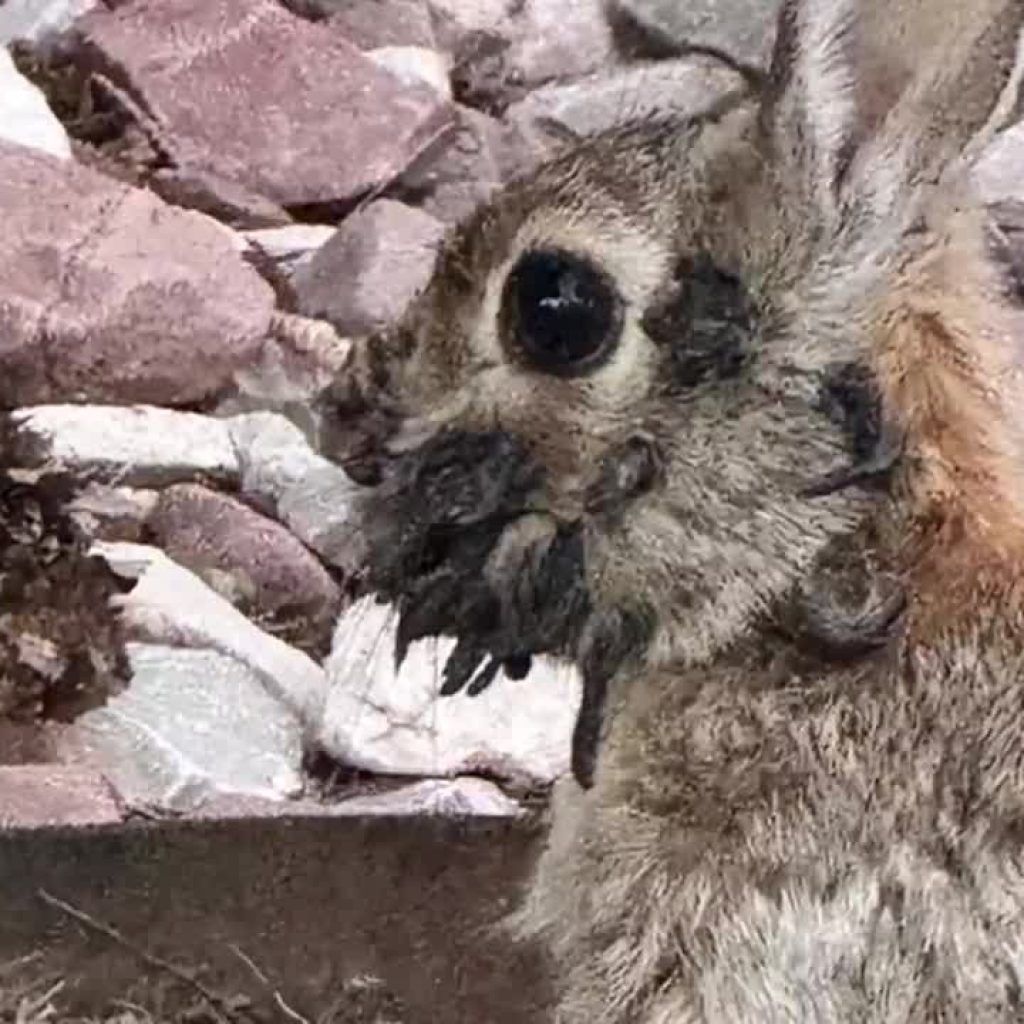
Susan Mansfield from Fort Collins told WLBT3 about seeing one infected rabbit. “It looked like black quills or black toothpicks sticking out all around its mouth.
“I thought he’d die off during the winter, but he didn’t. He came back a second year – and it grew.”
Pet rabbits can be treated early
Vets say owners should keep pet rabbits away from mosquitoes and ticks. If a rabbit gets bitten, a vet can remove the growths before they turn cancerous.
Wild rabbits usually die slowly. As the growths get bigger, they block the animal’s sight, hearing, and ability to eat. Many starve to death.
Another parasite causes a similar scare
There is also a fungus called ophiocordyceps unilateralis, or zombie-ant fungus. It kills insects and controls their bodies.
It has different types depending on the host. One type called Cordyceps militaris grows in caterpillars and is sold for supposed health benefits.
Some types are used in traditional Chinese medicine and cooking. There is no proof the zombie-ant fungus is safe to eat, so it should not be consumed.